My Journeys
A glimpse of Singapore 1972
A personal look back at Singapore in 1972 and the remarkable city it has become today — from old streets and shophouses to Marina Bay and one of Asia’s great modern cities.
By Les Ziel
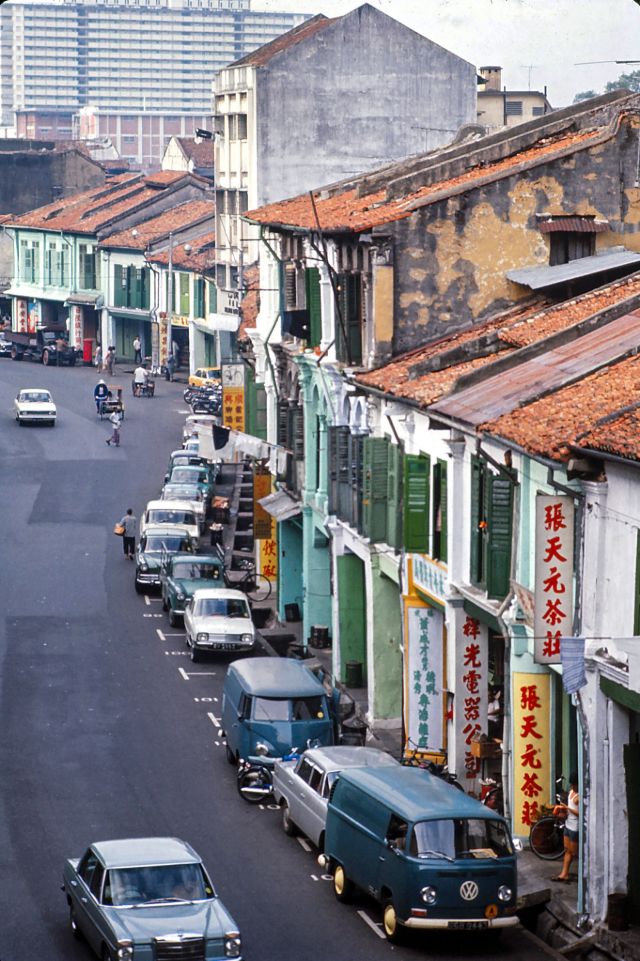
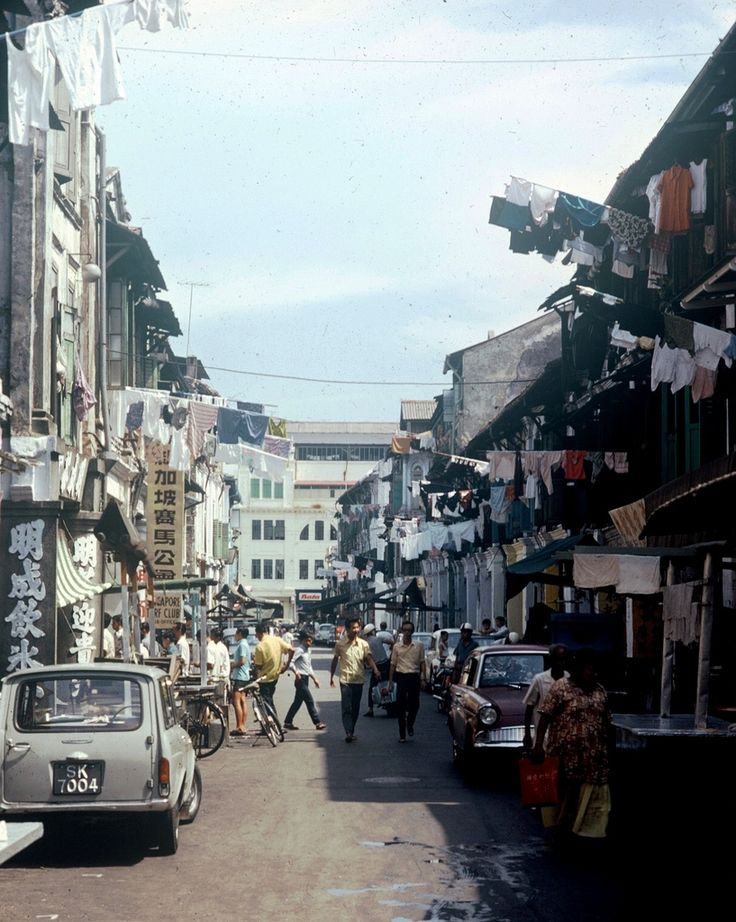
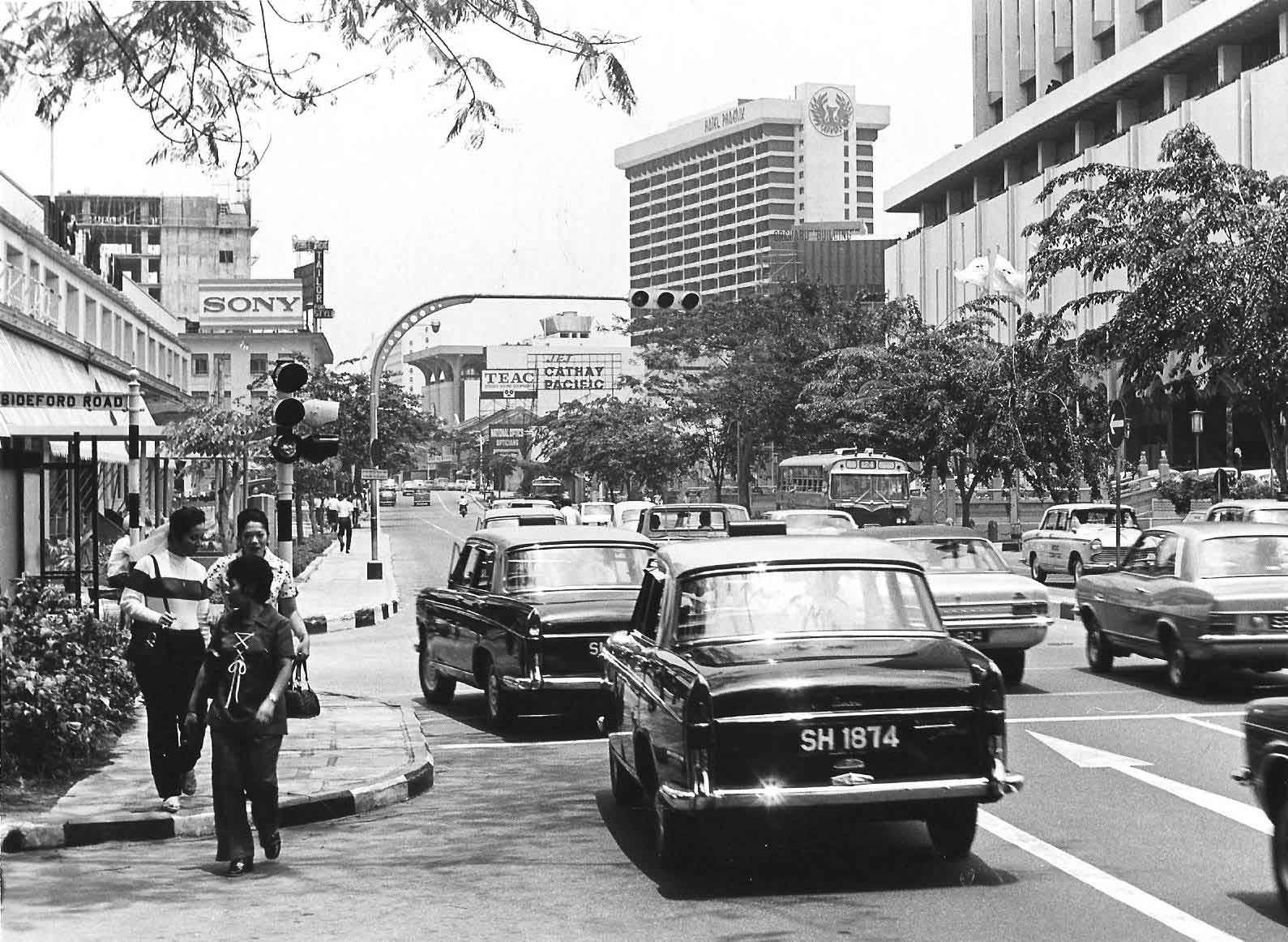
A Glimpse of Singapore 1972 — Then and Now Singapore in 1972 was a very different place from the city travellers know today. The skyline was lower, the streets felt more intimate, and many parts of the city still carried the character of an older trading port. Shophouses, street stalls, bicycles, buses and busy markets were part of everyday life. The Singapore River was lined with warehouses and small boats, while areas such as Chinatown, Little India and Kampong Glam had a strong local character. For a traveller arriving in the early 1970s, Singapore already felt organised and ambitious, but it had not yet become the modern city of glass towers, rooftop gardens and world-famous architecture that we see today. Singapore in 1972 Travel itself was very different in those days. There were no smartphones, digital maps or instant photographs. You carried a camera, perhaps a paper map, and relied on hotel staff, taxi drivers and local people to help you find your way. Photographs were more precious because every roll of film had a limited number of exposures. You chose your pictures carefully, and sometimes you did not see the result until weeks later. That is part of what makes old travel photographs so special. They capture not only a place, but an entire era. The harbour was busy with cargo ships and smaller vessels. Streets were filled with traditional shopfronts, markets and everyday activity. There was a simplicity to the city that is difficult to imagine when looking at Singapore today. A City Transforming Over the following decades, Singapore changed dramatically. The old waterfront evolved into Marina Bay. Modern towers rose where low-rise buildings once stood. Gardens by the Bay introduced its futuristic Supertrees, while Marina Bay Sands became one of the most recognisable buildings in Asia. Changi Airport grew into one of the world’s great international gateways, and Singapore became known for its cleanliness, efficiency, food culture and remarkable mix of old and new. Yet much of its heritage remains. Traditional temples, colourful shophouses, hawker centres and historic districts still tell the story of the Singapore that came before. The Singapore We Remember For anyone who visited Singapore many years ago, returning today can feel like visiting two cities at once. There are places you recognise immediately and others that have completely disappeared or changed beyond recognition. That contrast is one of the great pleasures of returning to a destination after many years. You do not simply see what is there now. You remember what was there before. Food That Connects Generations Singapore’s food is one of the strongest links between its past and present. Hainanese chicken rice, laksa, satay, chilli crab, roti prata and countless hawker dishes continue to bring people together. The surroundings may have changed, but sitting down to a familiar meal can instantly bring back memories of an earlier journey. Food has a remarkable way of connecting places, people and time. Old Streets, New Skyline The Singapore of 1972 was full of character in a very different way. The Singapore of today is modern, bold and forward-looking. Marina Bay, Gardens by the Bay, Clarke Quay and the city skyline are now part of the Singapore experience, but the older districts remain equally important. Chinatown, Little India and Kampong Glam continue to provide a connection to the city’s history and cultural identity. This balance between heritage and modern life is one of the reasons Singapore remains such a fascinating destination. Why Old Travel Memories Matter A photograph taken in 1972 may have seemed ordinary at the time. Decades later, it can become something much more valuable. It can show how a city changed, remind us who we travelled with and bring back details we had almost forgotten. That is one of the ideas behind Travel Passport. We want travellers to preserve the places they visit, the photographs they take and the memories behind them — not simply for today, but for years to come. Then and Now Singapore is an extraordinary example of how a destination can transform while still holding onto its identity. The Singapore of 1972 and the Singapore of today may look very different, but both are part of the same story. For travellers fortunate enough to have experienced both, the memories become a personal record of history. Travel Passport — keep your travels, your photographs and your memories alive.